The Power of a Person-Centred Approach To Dementia Care

Dementia affects every individual differently, which is why it's important to ensure care is person-centred. When care is shaped around the person rather than dementia alone, it can greatly improve their quality of life.
For many families, this approach brings reassurance as well as practical benefit. It helps ensure that dementia care respects their loved ones' dignity, encourages familiar routines and supports emotional well-being alongside physical needs. In this blog, we will explore what person-centred care in dementia is, the signs that would suggest a care home is needed and how to find the best care home in Warminster.
What is Person-Centred Care?
Person-centred care is an approach that focuses holistically on each individual. In dementia care, it means understanding each resident as a unique person with their own life history, preferences, routines and ways of feeling safe and supported. Rather than applying the same approach to everyone, person-centred care shapes support around what matters most to that individual.
This approach is especially important for those living with dementia because their needs can progress over time. Person-centred care takes personal comfort, emotional well-being, communication style and familiar routines into account, so support feels more reassuring and less unsettling. It also helps residents maintain dignity by ensuring they are treated with respect and given as much choice as possible in day-to-day life.
In high-quality care settings, person-centred support is not just about meeting practical needs. It is about creating an open environment where residents feel recognised and valued as individuals.

When Should Someone With Dementia Go Into a Care Home?
Increasing Confusion or Distress
One of the clearest signs that dementia support may need to change is when confusion or distress begins to affect daily life more often. When dementia begins to increasingly affect an individual, they may become unsettled in their surroundings, struggle to recognise routines, or feel anxious when left alone. In these moments, a more structured and person-centred dementia care setting can provide greater reassurance.
Care homes can support residents to reduce agitation or additional stress associated with dementia and ensure they can continue doing what they enjoy most.
Difficulty Managing Daily Routines
Another sign is when daily tasks that once felt easy begin tiring to manage without regular assistance. This might include washing, dressing, cooking or remembering to take medication. As dementia progresses, these tasks can become more difficult even for people who were previously very independent.
A care home can offer the right support at the right time, while still encouraging each individual to remain involved in daily choices where possible. This is where person-centred care becomes especially valuable, because it allows support to be adapted to the individual’s abilities rather than removing their independence.
Changes in Well-Being or Safety
Dementia can affect emotional well-being as well as memory and cognition. Some people become quieter, more withdrawn, or anxious, while others may become unsettled by noise or unfamiliar faces. If these changes begin to affect quality of life, it may be time to think about whether a different level of support is needed.
Safety is also an important consideration. If an elderly adult is at risk of wandering, missing meals, or forgetting important parts of their daily routine, a care home can ensure this doesn't affect their safety or physical health.

How Care Homes Use Person-Centred Care to Support Those Living With Dementia
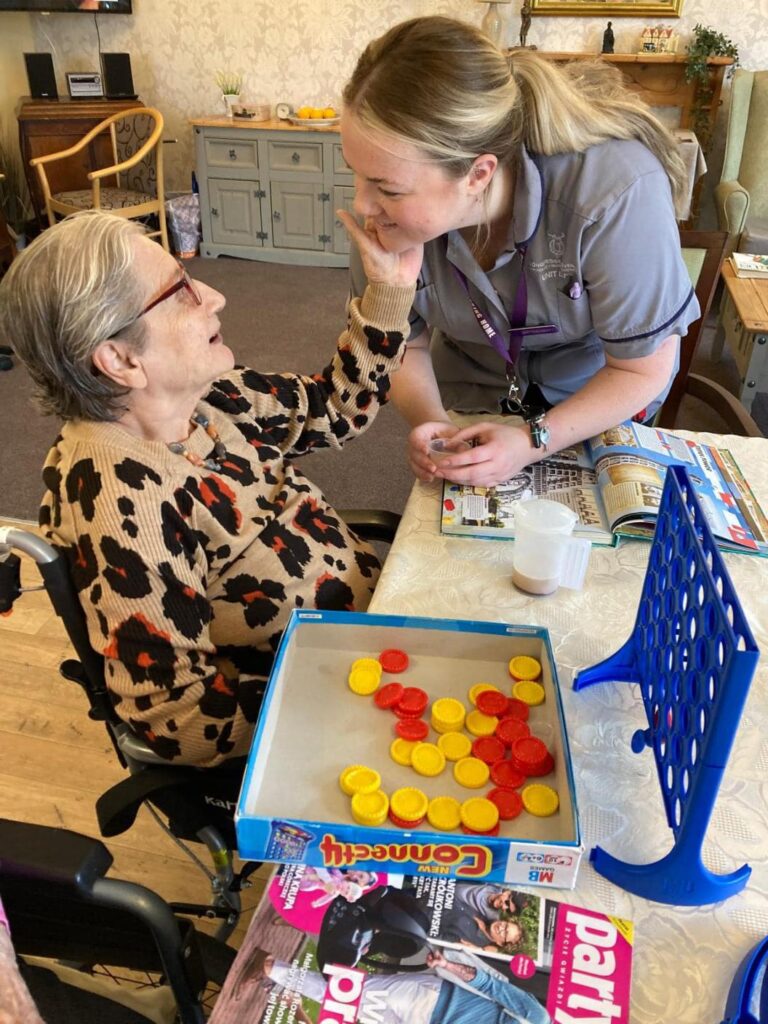
Care homes use person-centred care to offer support that feels reassuring and fully tailored to each individual. Rather than adopting a one-size-fits-all approach to dementia care in Wiltshire, this approach takes time to understand the resident holistically, including their life history, preferences, routines and the small details that help them feel safe. For someone living with dementia, that understanding can make everyday care feel far more settled.
For example, some residents may enjoy getting up at a certain time of day or enjoy eating their meals in a particular area of the home. The care team are on hand to ensure residents can continue doing the things that mean the most to them, alongside receiving the highest levels of support.
Person-centred care also enables carers to respond with patience and sensitivity, which helps to reduce distress while supporting dignity at every stage.
Making the Right Decision
Choosing the right care home is an important decision, and it is often best made by visiting in person. A tour gives families the chance to see how the home feels, how staff interact with residents and whether the environment appears genuinely person-centred.
It is also a good opportunity to ask how the home supports people living with dementia on a day-to-day basis. Questions about routines, communication, activities and care planning can reveal a great deal about the quality of support. A thoughtful care team should be open and able to explain how they tailor care to individual needs.
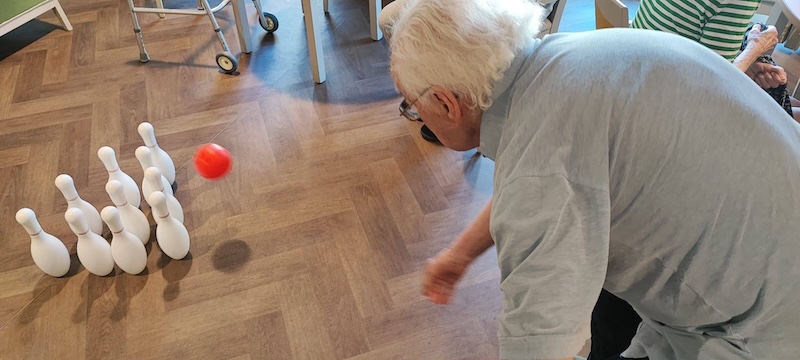
We’re Here to Support You at Longbridge Deverill Care Home
At Longbridge Deverill Care Home in Warminster, we understand the power of a person-centred approach to dementia care. We believe that every resident should receive care unique to them and shaped around personal preferences, life history, routines and emotional needs. Regardless of whether residents receive dementia care, residential care, nursing care, respite care or palliative care, they can enjoy peace of mind that support will be tailored to their every need.
We know how important it is for residents to feel safe and valued. That is why we create care plans that reflect individual needs and deliver support with dignity and respect. At Longbridge Deverill, we provide continuity and a calm environment where residents can live with comfort and confidence every step of the way.
To learn more about how we support our residents to enjoy the highest quality of life possible or to see our care home in Warminster for yourself, book a tour. We can't wait to meet you.