How to Speak to Your Parents About Care

Discussing care with your parents can be a challenging experience. For many families, the idea of a loved one moving into a care home brings mixed emotions, including concern for their well-being, a sense of guilt, or fear that independence will be lost. However, understanding that there is a need for further support, then approaching the subject openly and with honesty is a vital step towards ensuring a better quality of life for their loved ones.
When the initial conversation arises, it is natural for elderly parents to feel uncertain or believe they can still manage independently. By creating an open dialogue, listening to their feelings and addressing concerns thoughtfully, you can help them see how moving into a care home could support their health, independence and happiness.
Understand Why the Conversation Feels Difficult
Talking to elderly parents about care can feel daunting because it touches on deeply personal and emotional subjects of ageing and loss of independence. Many older people have spent their lives caring for others and the thought of needing help themselves can feel uncomfortable.
At the same time, adult children often struggle with feelings of guilt or fear of overstepping boundaries. It's important to remember that the goal is to ensure that your parents are well supported, living in a home where their routine and well-being are the top priorities. Approaching the topic gradually and sensitively can make a big difference.
Choose the Right Moment
Timing plays a crucial role in any meaningful discussion about care. If you raise the topic during a stressful or emotional period, such as after a period of declining health or a hospital stay, your parents may feel defensive or overwhelmed. Instead, choose a quiet, familiar setting and allow plenty of time for the conversation. You could start gently by discussing everyday challenges they may have noticed, such as difficulty managing the house, remembering medication, or feeling lonely.
Bringing up the topic of a care home as part of a natural conversation shows that your concern comes from care and compassion, rather than urgency or pressure. Taking the time to listen without interruption will help your parents feel valued and understood, encouraging them to share their perspective openly.
Focus on Empathy and Understanding
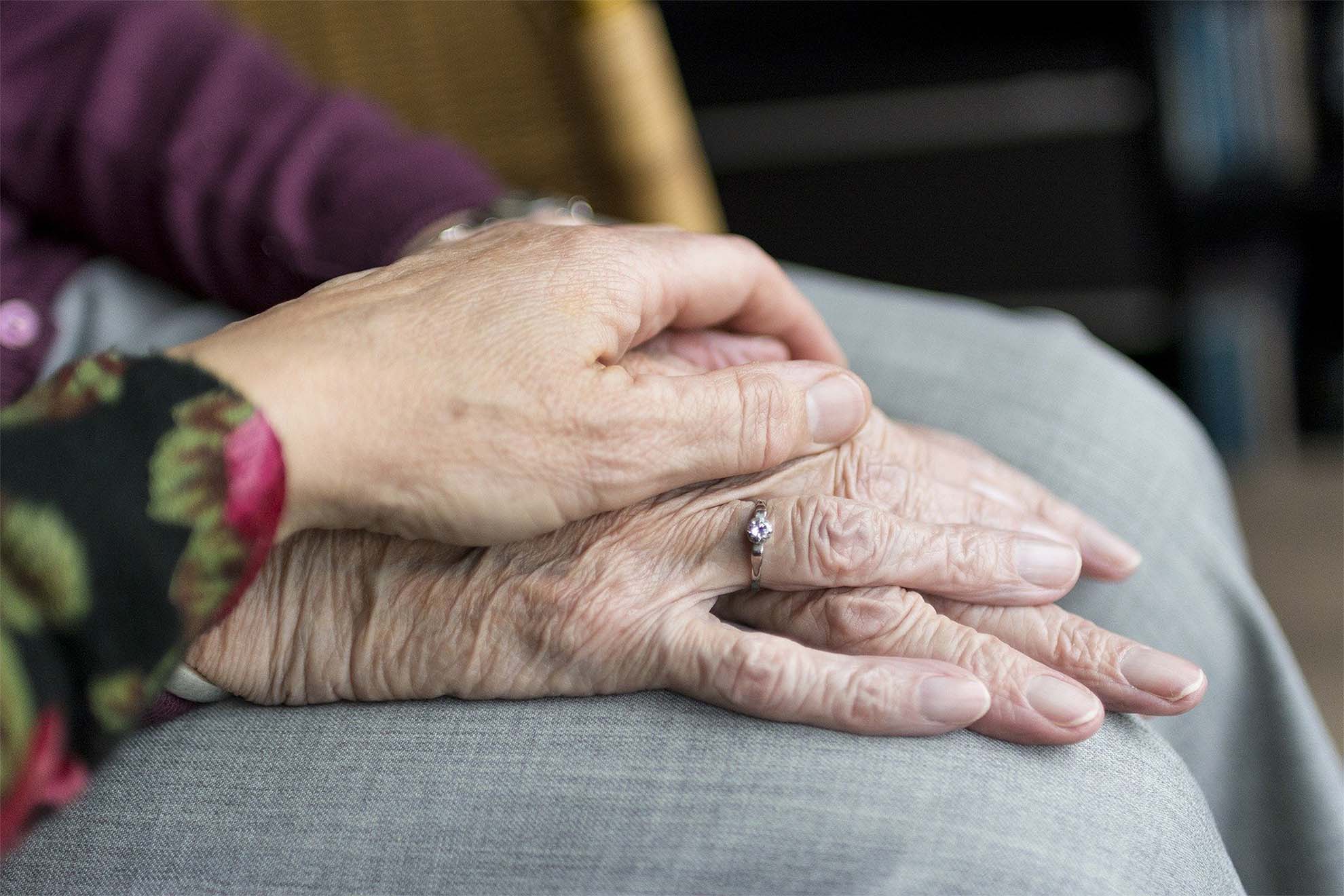
When discussing care and support for an elderly parent, empathy is essential. We recommend imagining or asking how your parent may be feeling around the topic and make sure to approach these specific feelings with reassurance. It is often useful to highlight how the discussion isn't to take control or for them to lose their independence, but to ensure they continue to enjoy the highest quality of life possible.
Many older people associate care homes with outdated or negative connotations, so gently addressing these perceptions can help. Modern care homes provide welcoming, friendly environments designed to promote independence and belonging. By focusing on how care homes offer community, nutritious meals and dedicated support when needed, you can help your loved one know that their independence isn't affected, they're getting more time to focus on the things they love most while the care teams take care of daily living tasks.
Listen as Much as You Speak
The most effective conversations about care are based on mutual respect. Encourage your parents to express what matters most to them. Acknowledge their worries and ask what they hope to maintain in their daily life, whether that’s keeping certain routines, hobbies, or social connections. For example, they may worry about losing privacy or feeling lonely in a new environment, so you can use this to guide your research going forward. Allowing space for these feelings builds trust and shows that their wishes guide the decision, not yours.
Listening actively can also help identify when your parents may need help without realising it. If they casually admit difficulties, this can be used to discuss specific ways in which care homes can help.
Explore the Benefits of Care
An honest yet reassuring approach is the best way to explain how care homes can improve daily life. Emphasise that moving into a care home does not mean losing independence. In reality, care homes are designed to promote independence by offering the right care at the right time. Before they move into a care home, a personalised care plan is made that outlines their medical needs and personal wishes, so the team can understand what aspects of daily life to assist with.
You could highlight elements like freshly prepared meals, stimulating activities and a grouped living environment. Many residents find new friendships and rediscover confidence when they no longer have the burden of managing everything alone. For those who may need nursing or respite care, professional support ensures they always receive safe, personalised attention while still being free to make choices about daily life.
Do Research and Visit Care Homes
Finding specific information about local care homes and going to visit can make loved ones feel more open about a future move. Visiting a care home in person, meeting the friendly staff and seeing residents enjoying daily life can make a lasting impression. Experiencing the environment firsthand helps remove anxiety and allows older adults to imagine themselves living there.
It can also be helpful to discuss what level of care may suit their needs, whether it’s residential, nursing or dementia care. Some care homes will also offer respite care, which can act as a trial period to see if the care home is right for your loved one.
All care homes are different, with their own set of facilities and amenities. When looking at care home websites or visiting in person, have a look around the facilities and find out what is most important for your loved one. This way, you can ask questions about it on visits and make a more informed decision about their future.
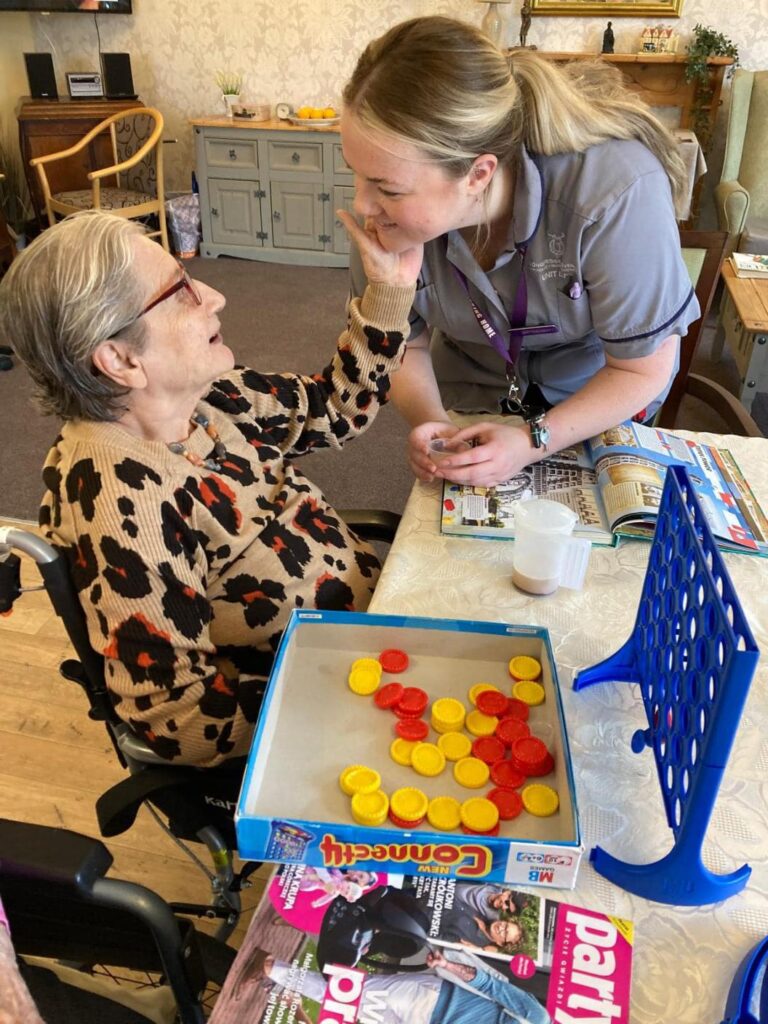
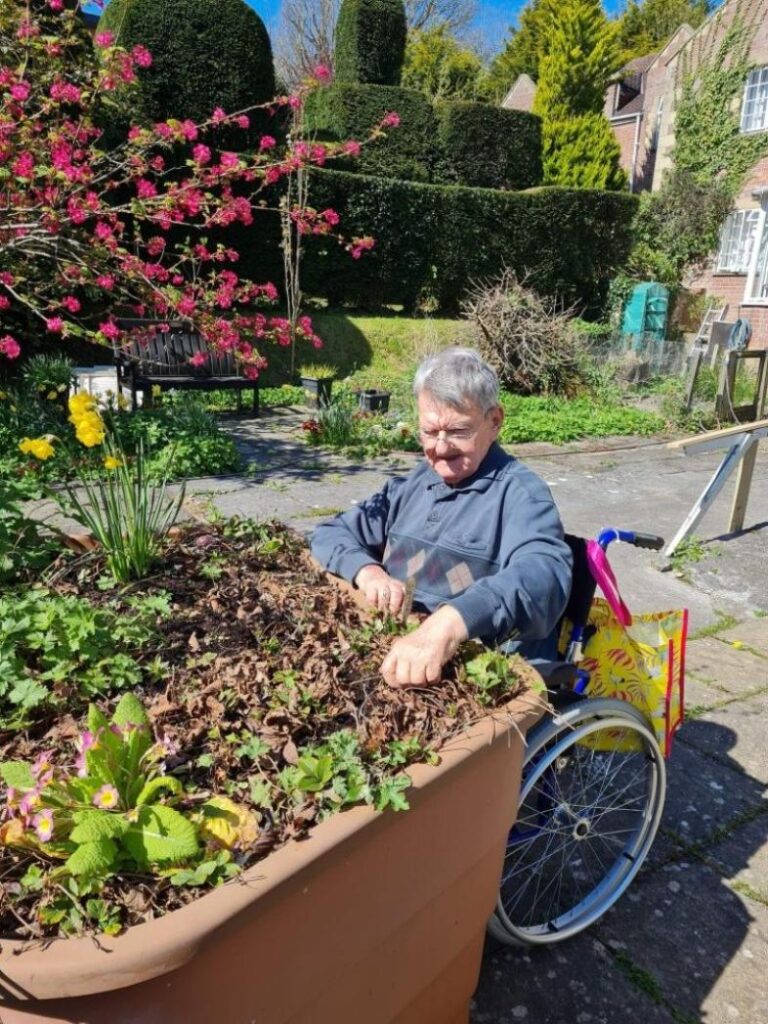

Compassionate Care and Support at Longbridge Deverill House and Nursing Home
At Longbridge Deverill House and Nursing Home in Warminster, we understand that moving into care is a big emotional step for both residents and their families. Our dedicated team provides comfort and reassurance from the moment you walk through our doors.
We offer high-quality residential care, dementia care, nursing care, respite care and palliative care in a warm, welcoming environment that residents can truly call home. Each resident, upon moving in, receives a care plan that is entirely tailored to them and their needs. It is a top priority for us that our residents continue doing what they love while maintaining as much independence as possible, as we can take care of the rest. We also extend our support to loved ones of our residents and encourage them to be as involved as possible as we understand the importance of both making new relationships and maintaining current ones.
For those beginning the journey of exploring care options, our care home in Warminster provides both expert care and a true sense of belonging. We welcome you to book a tour, meet our wonderful team and explore our facilities to see how we can support your loved one in their next chapter.